
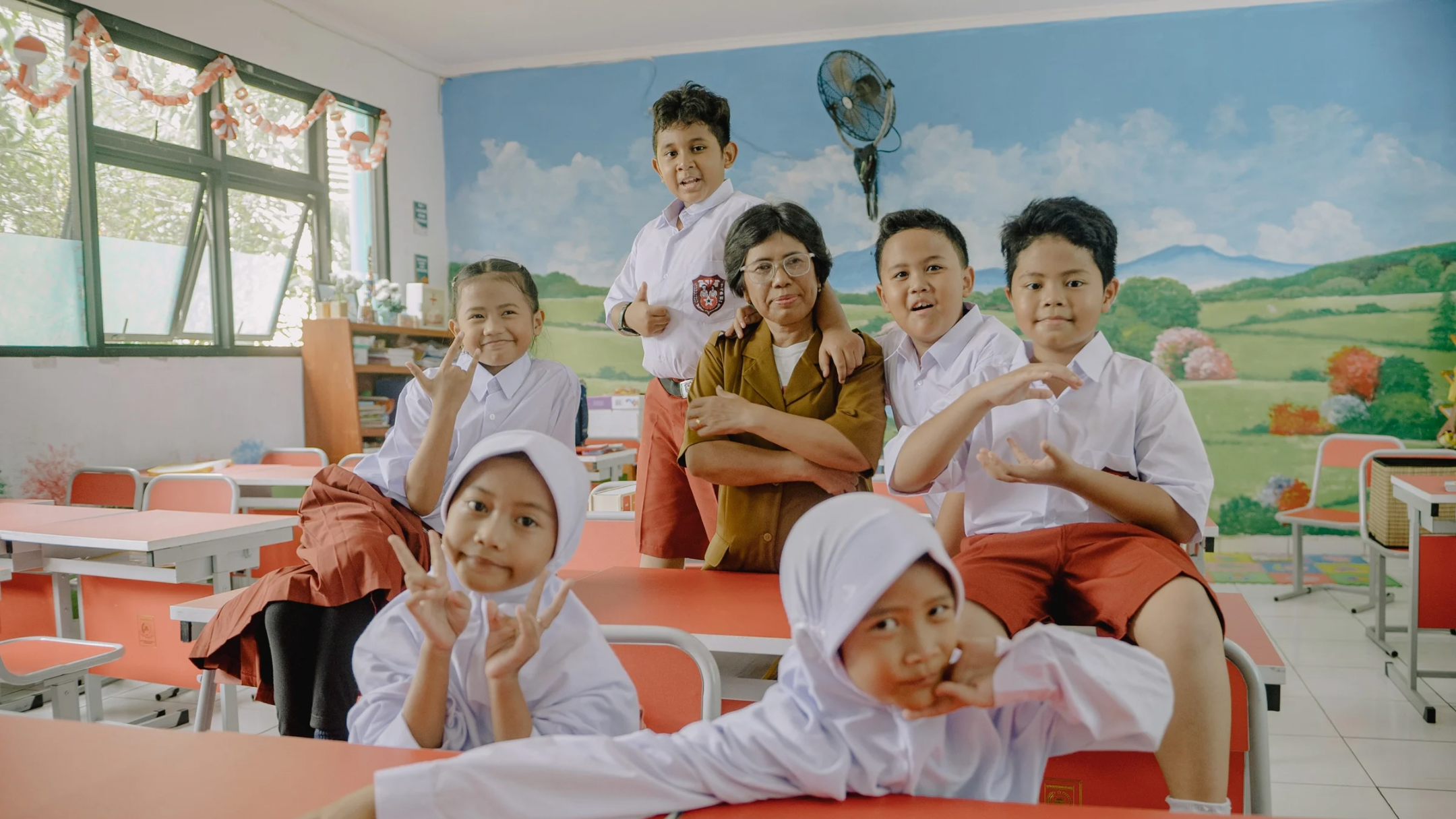
Ahead of Indonesia’s Independence Day, the spotlight falls on education, particularly on teachers, who form the backbone of the nation’s progress. The government has announced that education will receive the largest budget allocation in 2025, amounting to IDR 724.3 trillion, surpassing even defense spending (Antara News).
Within this figure, teacher welfare stands out as a key focus. Finance Minister Sri Mulyani highlighted that teacher allowances in 2025 will reach IDR 81 trillion, an increase of 8.9% compared to the previous year. In her statement, she stressed that while teachers gain rights and benefits, their performance and impact must continue to be evaluated(VOI).
Looking ahead, disbursement for teachers, lecturers, and educational staff in 2026 is projected at IDR 178.7 trillion, covering professional allowances, certifications, and salaries (VOI).
Yet, questions remain. Indonesia’s education system is vast, with over 50 million students and around 4 million teachers spread across more than 250,000 schools nationwide (Wikipedia). While the budget numbers are impressive, challenges lie in ensuring equitable distribution and tangible improvements, especially for teachers in remote or under-resourced regions.
As Independence Day reminds the nation of freedom and progress, the issue of education funding raises a crucial question: Will increased spending truly empower teachers and uplift the quality of learning across Indonesia?