
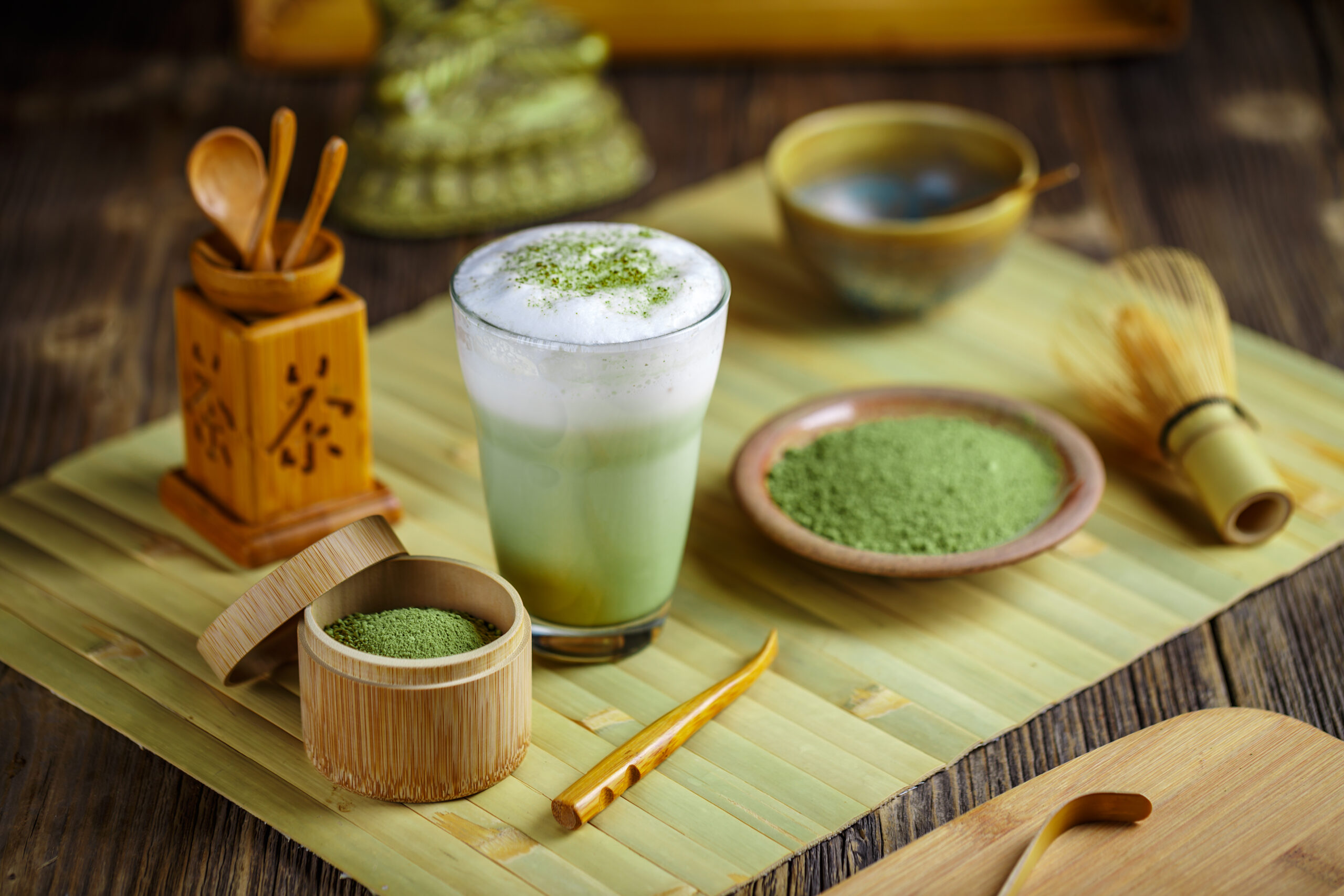
Walk into almost any café today, and you’ll probably find matcha on the menu. From lattes and cookies to smoothie bowls and even skincare products, everything seems to be “matcha-fied.”
This green wave feels calming, aesthetic, and full of health promises. It’s marketed as a super drink, energizing yet soothing, indulgent yet “clean.” But beyond the buzz and pretty cups, how healthy is matcha really for our bodies?
From Tea Leaves to Superfood
Matcha comes from finely ground green tea leaves of the Camellia sinensis plant. Unlike regular green tea, where you steep and discard the leaves, matcha is consumed in full, meaning all its nutrients, antioxidants, and caffeine go straight into your system.
Its star component, catechins (especially EGCG), helps fight free radicals and reduce the risk of chronic diseases. Combined with L-theanine, an amino acid known for its calming effects, matcha can help you stay alert while still feeling relaxed.
Some studies even suggest that this unique combination supports better brain function, metabolism, and heart health.
No wonder many people have turned matcha into their daily “health ritual.”
Still, like all wellness trends, the real key lies in how much and how mindfully you consume it.
When a Trend Turns Into Trouble
Here’s the catch! Not everyone realizes that despite its healthy image, matcha is also high in caffeine. One cup can contain around 70 mg, depending on how concentrated it is.
That means two cups of matcha can equal a double espresso.
Too much caffeine can cause heart palpitations, insomnia, or anxiety, especially for those sensitive to stimulants.
Matcha also contains tannins, which can interfere with iron absorption from plant-based foods. For people with anemia or pregnant women, drinking matcha too close to mealtime might pose an additional risk.
And of course, not all matcha is created equal. Cheaper, mass-produced powders may contain pesticide residues or heavy metals if the harvesting process isn’t well-regulated.
How to Drink Matcha the Right Way
So, how can we enjoy this green trend safely?
Nutritionists recommend 1–2 cups per day (about 2–4 grams of powder). Drink it after meals rather than on an empty stomach, and avoid late-night matcha sessions to protect your sleep.
If possible, choose ceremonial-grade or organic matcha, it has a brighter green color, smoother taste, and fewer chemical additives.
You can also replace sugary drinks with unsweetened matcha for a lighter caffeine boost and more stable energy throughout the day.
Enjoy, But Stay Aware
The rise of matcha shows how “healthy living” has become part of modern culture, blending the desire to look good with the need to truly feel well.
But as with any health trend, the golden rule remains: awareness and balance.
Matcha can be a wonderful companion, when consumed with intention.
And perhaps, amid the endless wave of new drinks each season, the most important thing isn’t just to follow trends, but to understand what we’re putting into our bodies, and why we choose it.