
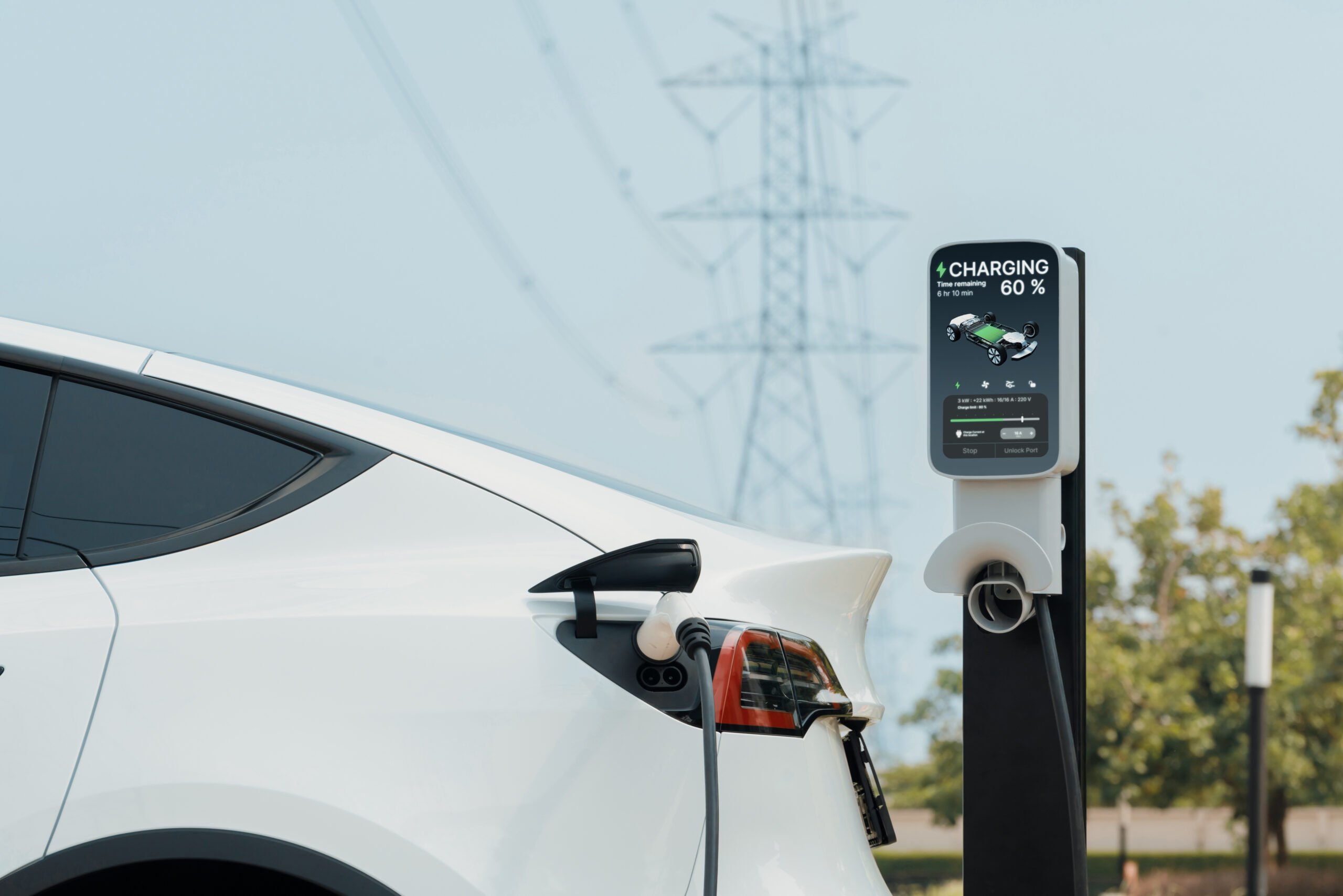
Have you ever seen a friend, neighbor, or relative just buy an electric motorbike or car, and wondered: “Is this really better for the planet and for our wallet?” Around us, the electric vehicle (EV) trend is starting to take shape. Some people already own one, others are still hesitant, and many haven’t yet thought much about its impact on the environment. But small daily habits, like refueling or turning on the ignition, actually play a big role in air quality and carbon emissions.
In Indonesia, EVs are getting more attention. The government has set a target of 1 million EVs by 2030, backed by tax incentives and easier registration. In big cities, more people are making the switch because EVs are seen as modern, cleaner, and more cost-efficient in the long run. Take electric motorbikes, for example, they can cut monthly fuel expenses by a significant margin.
Still, there are a few challenges to keep in mind:
- Charging infrastructure. Stations are still limited, mostly found in Jakarta, Bandung, and other major cities. In remote areas, EVs aren’t yet practical.
- Electricity sources. About 60–70% of Indonesia’s electricity still comes from coal. So while EVs don’t produce direct emissions, charging them with fossil-based electricity still creates pollution and greenhouse gases.
- Vehicle prices. EVs are still relatively expensive for most households, though government incentives help reduce the upfront cost.
On the flip side, the benefits, both social and environmental are significant:
- Lower air pollution in cities and fewer health risks linked to vehicle emissions.
- Reduced reliance on imported fossil fuels.
- New opportunities in renewable energy, battery technology, and local charging infrastructure development.
As this trend grows, bigger questions emerge: Are people ready to switch on a large scale? And will this transition truly align with Indonesia’s clean energy goals? The answer lies not just in buying new vehicles, but also in shifting how we produce electricity, through solar, wind, and hydro power, so EVs can fully become part of a sustainable green energy ecosystem.
At the end of the day, it comes down to awareness and small, everyday choices. Checking where your electricity comes from, choosing more efficient vehicles, or supporting clean energy policies all of it adds up. The EV movement in Indonesia is promising, but its full impact will only be felt if we move in the same direction: backing clean technology, building green infrastructure, and fostering an energy-conscious culture.