
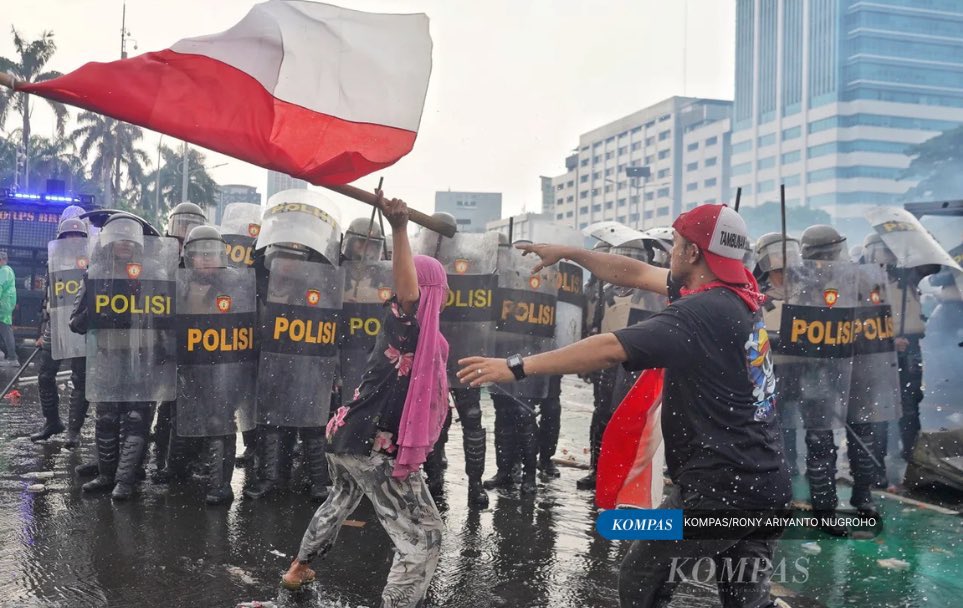
Nationwide Unrest Sparks Reflection
A wave of protests has recently engulfed Indonesia in one of its most turbulent weeks in decades. The unrest ignited when it emerged that lawmakers received a housing allowance of around Rp 50 million per month, nearly ten times Jakarta’s minimum wage at a time when inflation and economic hardship weigh heavily on many families.
Catalyst for a Movement
The controversy quickly morphed into broader public unrest, driven by anger, economic inequality, and mistrust. Demonstrations across major cities demanded reforms and greater transparency.
A Tragic Flashpoint
The situation escalated tragically when Affan Kurniawan, a 21-year-old motorcycle taxi driver, was fatally run over by a police vehicle during protests in Jakarta, video footage spread rapidly, amplifying public outrage.
Violence Escalates: Tensions Skyrocket
Protests turned violent: government buildings were set on fire, including a parliament building; students faced tear gas near campuses; military deployments increased in Jakarta. At least, up until this newletter released, seven people have died.
Government Response & Concessions
In a swift response, President Prabowo Subianto ordered:
- The revocation of lawmakers’ housing allowances and overseas trips
- A transparent investigation into demonstrants death
- A tough stance on violent protests, while assuring respect for peaceful expression.
Rights Watchdogs: Call for Accountability
Human rights groups have called for impartial investigations into the use of force by security personnel, emphasizing that the right to peaceful protest must be protected.
Economic Ripples
The unrest rattled financial markets, Indonesia’s stock index dropped over 3%, though it partially recovered. Investors are monitoring the situation closely, and the government is pushing assurance on economic stability.