
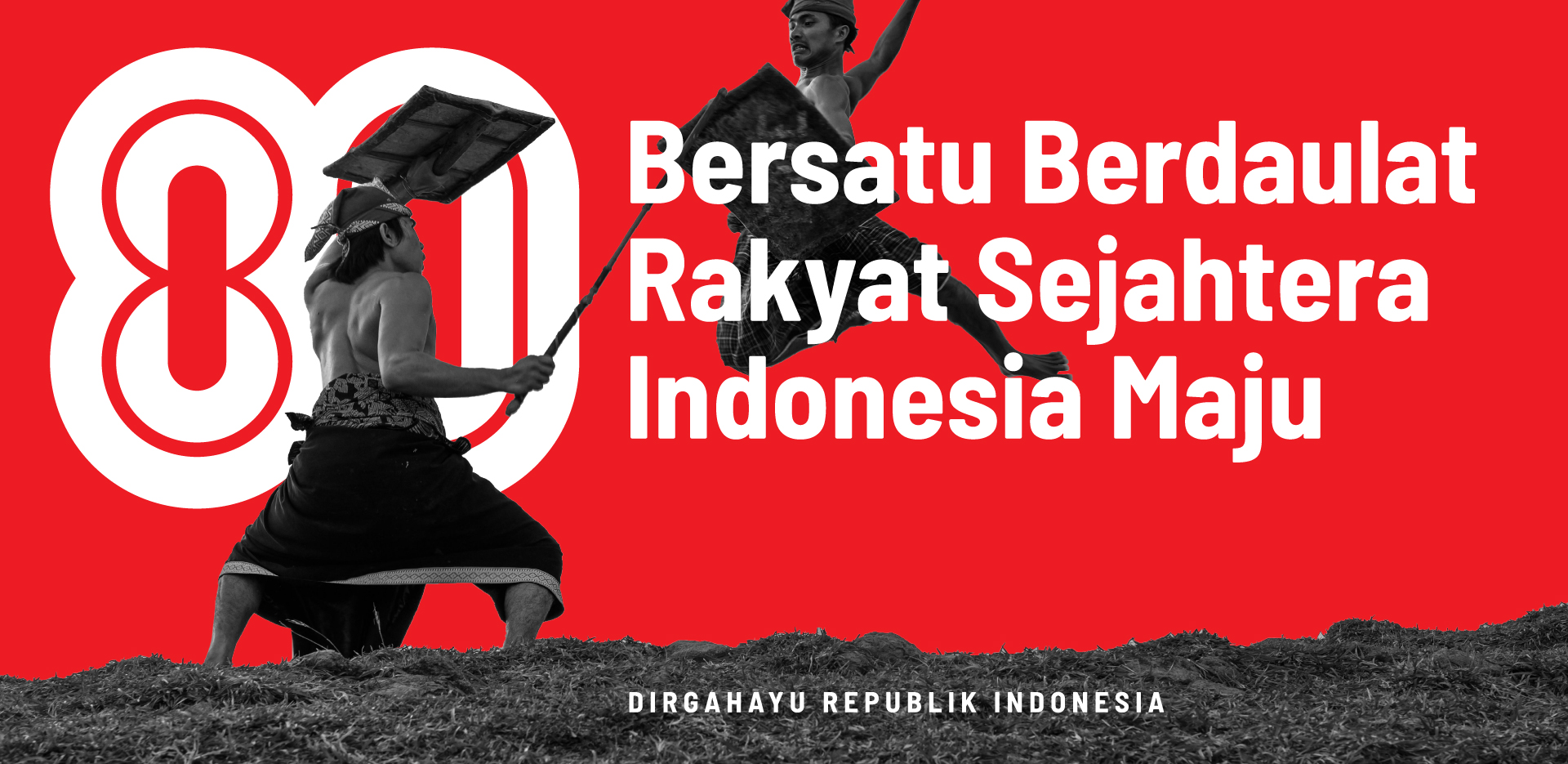
As Indonesia marks its 80th Independence Day, the familiar sight of red-and-white flags fills streets, offices, and schools. Parades and ceremonies celebrate the nation’s sovereignty, reminding us of the struggles of the past. Yet, beyond the symbolism, independence also invites a deeper reflection: what does freedom mean for Indonesians today?
Education: Progress and Persistent Gaps
Education has long been framed as the foundation of national progress. The government has allocated a record IDR 724.3 trillion for education in 2025, the largest in history (Antara News). This budget represents 20% of total state spending, reaffirming the state’s constitutional mandate.
But on the ground, the picture remains mixed. According to World Bank data, Indonesia’s literacy rate is above 96%, a major achievement compared to the early independence years. Yet challenges persist:
- Teacher distribution remains uneven, especially in remote and eastern regions.
- Quality gaps between urban and rural schools continue to widen.
- Access to digital education is limited in areas with poor internet connectivity.
For many students, independence still feels incomplete when opportunities depend so heavily on geography.
Health: Universal Coverage, Unequal Access
Healthcare has also seen major reforms. The Jaminan Kesehatan Nasional (JKN) program, launched in 2014, now covers over 250 million Indonesians (BPJS Kesehatan). It is among the largest universal health coverage programs in the world.
Yet, independence in health is not evenly felt. Studies show significant disparities between regions:
- Maternal mortality remains high in rural areas compared to urban centers.
- Access to specialized care is concentrated in big cities like Jakarta, Surabaya, and Medan.
- The doctor-to-patient ratio in eastern Indonesia lags far behind the WHO recommendation.
Health freedom, then, becomes not only about coverage but about equity, whether every Indonesian can access care of the same quality.
Economy: Growth Amid Inequality
Indonesia’s economy has shown resilience, maintaining around 5% growth annually (World Bank). Infrastructure development, industrial expansion, and the digital economy are all touted as engines of growth.
But inequality remains a persistent challenge. According to BPS, Indonesia’s Gini ratio, a measure of income inequality, stood at 0.388 in early 2024, showing only slight improvement. While urban middle classes thrive, vulnerable groups, informal workers, farmers, and indigenous communities, often struggle to feel the benefits of growth.
For them, independence is not only about political freedom but about economic justice: the chance to live with dignity.
The Meaning of Freedom Today
Eighty years after independence, Indonesia has achieved much to be proud of: sovereignty, democratic stability, and sustained growth. But freedom is not static, it evolves with the times.
Today, independence is no longer only about breaking free from colonial rule. It is about whether every citizen can:
- Learn without barriers of geography or poverty.
- Access healthcare without disparity.
- Earn a livelihood without systemic inequality.
As the nation celebrates its 80th year, the question lingers: has independence truly reached everyone?